
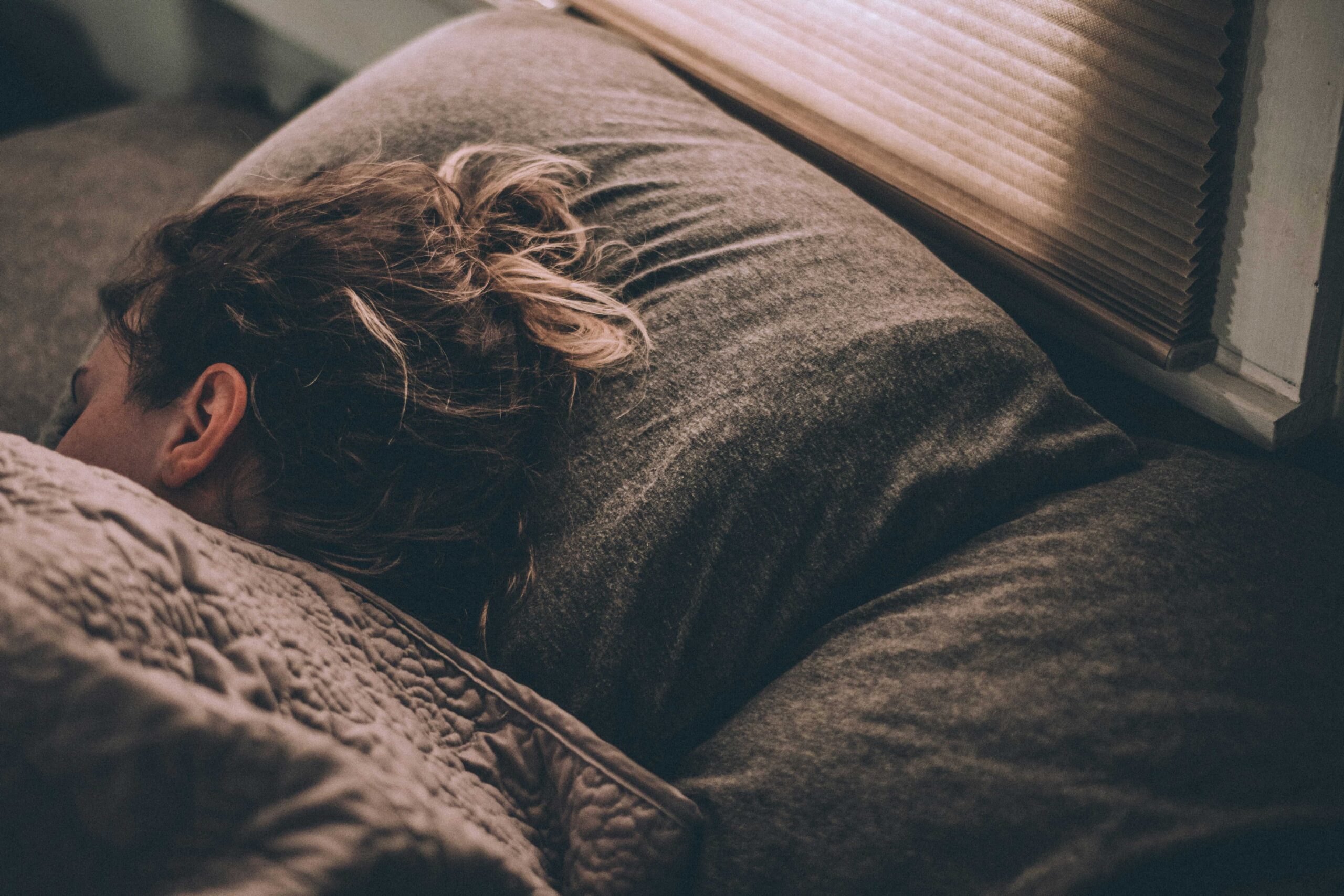
Nighttime is the chance for us to wind down, hit the relax button, and start our natural recovery process. The world should start to go perfectly still. For many of us, however, nighttime is when our world can feel the loudest, thanks to anxiety. As the distractions of the day fade, these anxious thoughts now have more room to echo.
If you’ve ever found yourself wide awake, staring at the ceiling with racing thoughts, you’re not alone. Nighttime anxiety is common, especially with adults who are navigating heightened stress, relationship challenges, or mental health and medical problems.
Sometimes, the most effective ways to manage anxiety involve self-awareness and a holistic approach. Let’s learn more about calming anxiety at night.
Understand Your Anxiety
Anxiety at night often stems from the brain shifting into a default mode. It naturally attempts to process any unresolved thoughts and emotions from the day. This evening, anxiety isn’t a failure of your coping skills but rather a way for your brain to try to make sense of things.

Understanding what is going on and why you’re experiencing these symptoms at night can be very empowering. Instead of fighting with your anxiety, you can embrace it for what it is and begin to work with it.
Create a Safe Sleeping Space
When sleep becomes a challenge, your immediate environment plays an important role. If you have a cluttered space, it can be overstimulating and signal to your brain that it needs to stay alert. Similarly, if the lighting is too bright or the temperature is too warm, it can keep your system on high alert.
Try making these simple changes:
- Dim the lights: Do this about an hour before bed to send the message that it’s time to wind down, increasing melatonin production.
- Limit screen time: At least an hour before bed, avoid blue light and any emotionally charged content.
- Declutter your space: An organized and tidy room will help calm your mind.
- Use calming scents: Lavender and chamomile can have relaxing effects, especially when used in a diffuser or as a pillow spray.
Sleep hygiene can make all the difference in your nighttime routine.
Start a Journal
These racing thoughts you have when trying to shut down may just need somewhere to go. One outlet for releasing them, that’s also easily accessible, is journaling.
Keep a notebook by your bed and take a few minutes each night to jot down what you’re feeling. This can become a piece of your nightly routine. No judgments. No structure. Just you, a pen, and some paper.
You might start with what you’re feeling in this moment or what’s been on your mind throughout the day. You can focus your efforts on the advice you may need to hear or on daily gratitude to end the day on a positive note.
Try Guided Imagery
Practices incorporating guided imagery and meditation can be great tools for shifting your nervous system into a more restful state. Even if you don’t feel immediate effects and find yourself falling asleep instantly afterwards, these exercises can have a cumulative positive impact on your overall mental well-being.
If this is a new concept, try one of the many available apps to help you get started. Look for something that incorporates body scanning, nature imagery, positive affirmations, or even pink or brown noise playlists.
Know When to Seek Support
Holistic methods for anxiety management can be powerful, but they aren’t a direct substitute for professional care. If you’re dealing with nighttime anxiety that is persistent or worsening, you may want to consider exploring therapeutic support.
Treatment for anxiety through therapy offers a supportive space to explore what’s going on at a deeper level and will help you build the tools you need to restore your peace. There’s a path available for your unique journey. Let’s chat to get started.
CONTACT US